
Virtual Experiences - Field Trips for Aotearoa Schools
LEARNZ is a programme of free virtual field trips, helping students access the inaccessible. Visit inspiring places around Aotearoa, Antarctica and beyond. Let us take you there!
Scroll through the options below to choose a current LEARNZ online field trip or an at home activity.
Access all other trips: Filter by Inquiry topics or Locations or Years using the Field Trip Chooser.
-
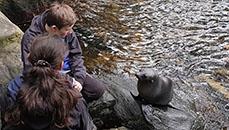
Environmental guardianship in Tamatea Dusky Sound
Te manaaki i kā kaitiaki o Tamatea
-
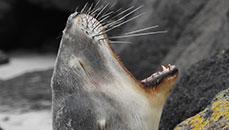
Pakake, New Zealand sea lions
The return of a taoka species
-

What lies beneath?
Discovering the secrets of our seabed
-
Our place names
Ngāti Maniapoto stories
-
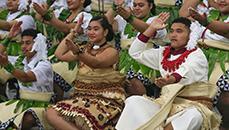
Showcasing our Pacific cultures
One school’s story
-
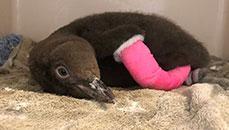
Saving our southern species
Wildlife Hospital Dunedin
-
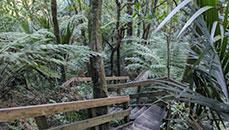
Hīkoi for hauora
Making connections in the Haakarimata Ranges
-
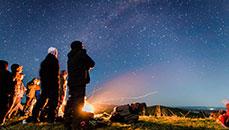
Matariki English medium
A wānanga in English medium
-
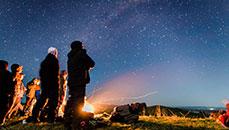
Matariki
Te noho tahi me Tākuta Rangi Matamua
-
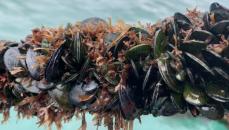
Plastic to Fantastic - bringing back our mussels
Watch a short video, ponder some points and repurpose plastic.
-
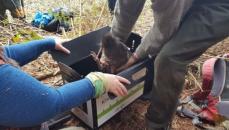
Where would a kiwi make its home?
Watch the Bugman video and get inspired to draw your own kiwi Easter egg.
-
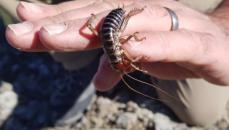
Backyard Bioblitz
Discover biodiversity in your own backyard and upload images to iNaturalistNZ.
-
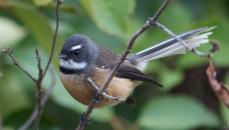
What's that bird?
Identify common birds and find out what birds live in your backyard.
-
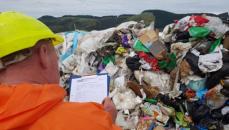
What’s in your bin?
Investigate your waste and recycling efforts at home.
-
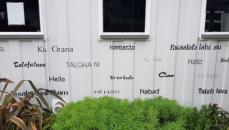
Ko Wai Au? Who Am I?
Explore your family history and find an heirloom. Introduce yourself in te reo Māori, through pepeha.
-
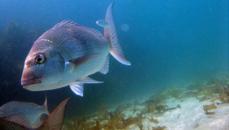
Āpure Moana - Marine Reserves
Explore marine reserves and select from a range of downloadable marine based activities and games.
-
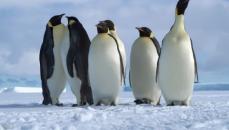
Venture South to Antarctica
Explore what it is like to be a scientist camping out in Antarctica.
-
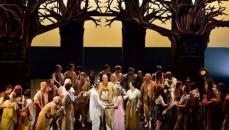
A Night at the Opera
Meet performers backstage, find out how to make costumes and puppets for The Magic Flute.
-
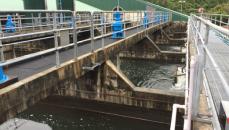
Water - every drop counts
How water gets to your home and how you can reduce your water use.
-
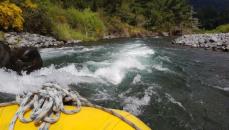
Fantastic Whio
Experience whitewater rafting on the Tongariro River and get crafty with native whio.
-
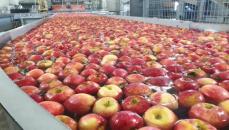
Our Apples
The people, science and tech behind the tastiest apples in the World.
-
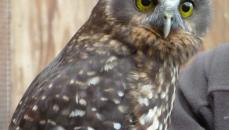
Birds of Prey
Find out about the secret life of raptors and meet Whisper the friendly, captive-reared ruru.
-
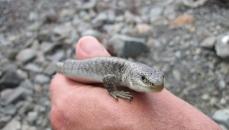
Local Lizards
Discover the differences between skinks and geckos. Make your backyard lizard-friendly.
-
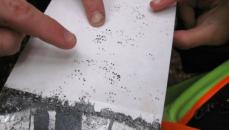
Footprint Finder
Watch the Bugman explain tracking tunnels. Go snooping in your own backyard.
-
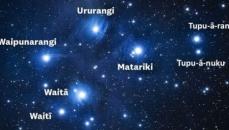
Matariki and Navigation
Investigate the importance of stars in early navigation. Think about Matariki.

What is a virtual field trip?
A virtual field trip gives you access to online video and audio feeds, activities and much more.
Learn more


Join. It’s free!
Subscribing is easy and free. Sign up today to join our large online community to stay informed about the latest LEARNZ trips.
Subscribe here

Find a field trip
Search for your next field trip and discover a unique repository of contemporary digital resources for education in New Zealand.
Find a trip
This field trip was a short mini-unit to prepare students for the national ShakeOut drill and was in addition to our School Curriculum plan.
- 1 of 1113
- next ›
Currently Subscribed Teachers


